Product performance is not only determined by code quality or cloud setup. It is also shaped by the physical realities around connectivity, power consistency, and operational continuity.
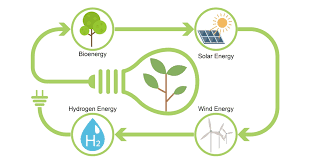
In Nigeria’s technology ecosystem, energy is no longer a side conversation. It is now a central business variable that directly affects digital uptime, service reliability, and growth capacity. Recent momentum in Nigeria’s energy-tech landscape, including major funding and deployment activity around distributed solar solutions, confirms what operators already know: stable power is foundational to modern digital infrastructure.
For startups and enterprises alike, this has deep implications. Product performance is not only determined by code quality or cloud setup. It is also shaped by the physical realities around connectivity, power consistency, and operational continuity. Businesses that ignore these realities eventually absorb the cost through downtime, delayed service delivery, failed transactions, and customer churn.
That is why the growth of energy-tech in Nigeria should be viewed as a strategic enabler for the entire tech economy. As cleaner and more reliable power options scale, more businesses can run mission-critical workflows with confidence. Retail systems, logistics coordination, support operations, and financial services all benefit when core infrastructure becomes more dependable.
At GTECH, we design with this context in mind. We build digital systems for real operating environments, not idealized conditions. That means resilient architecture, graceful error handling, and workflow designs that account for intermittent constraints. In some cases, it means asynchronous processing, fallback channels, and automation patterns that reduce failure points when conditions are unstable.
This approach gives our clients a practical advantage. Instead of being surprised by infrastructure volatility, they are prepared for it. Instead of reacting to outages and disruptions, they run systems that degrade gracefully and recover fast. That difference shows up in customer trust, team productivity, and long-term cost efficiency.
The rise of energy-tech also creates new product opportunities. Companies can now think beyond survival and build services that were previously difficult to run consistently. This opens room for deeper digital transformation in sectors like healthcare, logistics, education, and SME finance, where dependable operations are non-negotiable.
As Nigeria’s tech market continues to mature, the strongest companies will be those that connect strategic vision to operating reality. Energy reliability is now part of that equation. GTECH remains ahead of the curve by helping teams translate these macro shifts into robust product systems and execution models. We believe the next wave of winners in Nigerian tech will not just be innovative. They will be infrastructure-aware, execution-driven, and built for resilience from day one.